 Who would have thought that working in the field of avalanche awareness and forecasting could be so daunting—and sometimes so controversial? When I stepped into this unexpected role in 2003 after my son’s close call with an avalanche in Valdez, Alaska, I discovered a field that was as contentious as it was challenging. It wasn’t until Wendy Wagner arrived on the scene in 2010 as the new director of the Chugach National Forest Avalanche Information Center (CNFAIC) that things finally began to change for the better.
In 2003, the Alaska Avalanche School (AAS) was the only option for avalanche education in the state. What they offered was out of reach for most 16-year-olds living and attending school in Valdez. None of the teenagers I knew had the interest, the $400, or the three days required to complete an AAS program. They wanted to know the basics. What is a red flag? What terrain should I avoid? How do I get a weather forecast so I can make an informed decision on when and where to travel in the mountains on any given day?
To address this gap, I began working with a world-champion skier and helicopter-skiing guide service in Valdez to develop a free avalanche-awareness training program for youth. We started a nonprofit organization to secure funding and began offering free workshops and seminars in schools across Southcentral Alaska.
Our goal was simple: build a solid program that would raise awareness about avalanche hazards and help feed students into the more advanced Alaska Avalanche School courses. We expected support and collaboration. Instead, we encountered a community that seemed fearful of our approach, arrogant in their responses, and determined to stop us at every turn. It was a constant battle that tested my resolve and tenacity. Many times, I considered abandoning the effort—until the day I met Wagner.
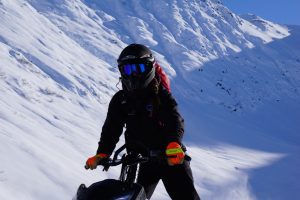
Wendy working in the field, photo by Graham Predeger
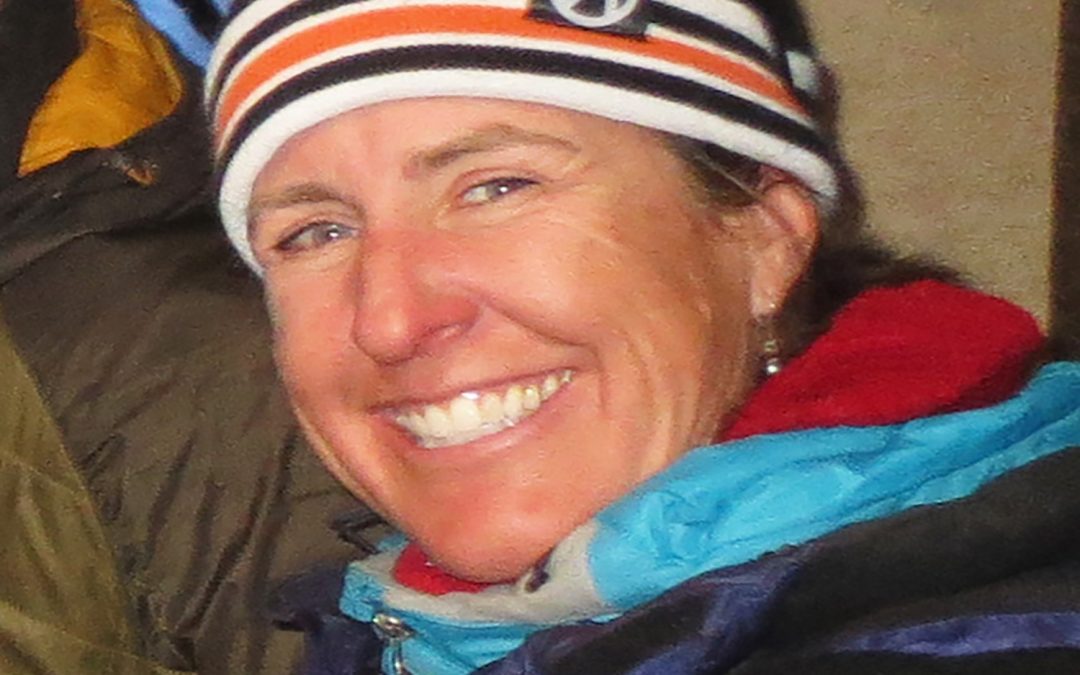
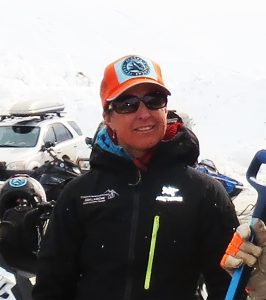
She attended the Snow Science Workshop we were hosting at Alaska Pacific University in November 2011. Young, vivacious, and genuinely friendly,
she introduced herself and explained that she had been hired by the Chugach National Forest Service and would likely be working with us in the future. She brought with her a solid resume that included a broad range of experience, education, drive, determination, and a “we can work together for the good of all” attitude that the field desperately needed.
I was thrilled. For the first time since beginning this journey, I felt encouraged and confident that together we could improve avalanche awareness and education across Alaska. We could finally build a comprehensive snow-safety program that would serve all Alaskans for generations to come.
Over the next 15 years, I watched Wagner transform the CNFAIC from a loosely run, often chaotic system into a professional, well-organized, smoothly functioning, and welcoming operation. She attracted the best forecasters and demanded excellence from everyone on her team.
We worked closely to improve communication with local media—especially during crises—and to build bridges between organizations and agencies to create a stronger, safer, more comprehensive avalanche education and response system for the state. Eventually, Wagner and her team at the Forest Service took over hosting the annual Southcentral Avalanche Workshop. I watched with pride as this event grew into a valuable venue for teaching, learning, and collaboration across Alaska’s avalanche-education and forecasting community.
Wagner—always open, honest, and genuinely enthusiastic—seemed tireless, almost larger than life. She brought an infectious joy wherever she went. But beneath her seemingly boundless energy was the difficult private battle she faced after being diagnosed with ovarian cancer.
 Never one to let anything slow her down, Wagner fought bravely, continuing to work despite the challenges. But even she could not overcome the disease. On November 6, 2025, her candle was extinguished. Yet the remarkable legacy she left behind will continue to shine in the mountains and forecast centers across Alaska for generations.
We all have so much to thank Wendy Wagner for—from her friendship and her passion for snow safety to the spirit of collaboration she fostered among all of us who knew and loved her. She will be deeply missed and forever appreciated for everything she gave to this state in her effort to save lives.